

TMJ Disorders
Understanding the Cause Is the First Step Toward Lasting Relief

Flexible Financing
No insurance required
Free virtual consult
Same-week appointments
TMJ Disorders (Temporomandibular Joint Dysfunction)
Understanding the Cause Is the First Step Toward Lasting Relief
Jaw pain is rarely caused by just one thing.
Temporomandibular disorders (TMD), often referred to simply as “TMJ,” are among the most complex conditions in dentistry because they involve the interaction of your jaw joints, muscles, teeth, airway, and nervous system.
Many patients have lived with jaw pain, headaches, clicking, muscle fatigue, or limited opening for years without ever receiving a thorough evaluation of why their symptoms developed.
At Forever Smiles, we believe successful treatment begins with a comprehensive diagnosis—not simply treating symptoms.
What Is the TMJ?
The temporomandibular joints (TMJs) connect your lower jaw to your skull. These joints allow you to chew, speak, yawn, swallow, and smile, and they are among the hardest-working joints in your body.
Each TMJ relies on several key structures that must work together seamlessly, including:
- The mandibular condyle
- A specialized cartilage disc that cushions the joint
- Ligaments that stabilize movement
- The surrounding bone
- Muscles that control jaw movement
The primary muscles of chewing include the masseter, temporalis, medial pterygoid, and lateral pterygoid muscles. Together, these muscles coordinate opening, closing, and positioning of your jaw.
The lateral pterygoid helps guide your jaw forward, while the masseter, temporalis, and medial pterygoid provide the power needed for chewing and clenching. For healthy function, the joints, muscles, and teeth must work together as one coordinated system. When that balance is disrupted, pain and dysfunction quickly follow.
Why Do TMJ Disorders Develop?
There is rarely a single cause. Instead, TMJ disorders usually result from several contributing factors occurring together.
These may include:
 Bruxism (teeth grinding and clenching)
Bite discrepancies (malocclusion)
Deep bites
Sleep-disordered breathing or obstructive sleep apnea
Anxiety, depression, PTSD, or chronic stress
Certain medications
Previous orthodontic changes
Trauma to the jaw or face
Automobile accidents
Sports injuries
Previous jaw fractures
Damage to the joint ligaments
Disc displacement within the joint
Arthritis and age-related joint changes
But not every tie needs to be cut. We look way past what the tissue looks like on the surface—we evaluate how well your tongue actually moves and functions.
Understanding the Bite–Muscle–Joint Relationship
One of the most important factors a dentist can evaluate is how your teeth fit together.
Your bite influences how your jaw muscles function and how your jaw joints are loaded throughout the day.
When teeth contact unevenly, when the front teeth fail to properly guide jaw movements, or when a restricted envelope of function exists, excessive forces get placed on the muscles and joints. This leads directly to muscle fatigue, tooth wear, fractured teeth, and TMJ discomfort.
This does not mean every TMJ disorder is caused by the bite—TMJ issues are complex and multifactorial. However, for carefully selected patients, improving the bite can play a massive role in reducing muscle tension, improving function, and relieving symptoms.
Understanding this relationship requires deep knowledge of:
- Jaw joint anatomy
- Disc position and movement
- Muscle function
- Occlusion (how the teeth fit together)
- Functional jaw movements
- Envelope of function
- The relationship between the joints, muscles, and teeth
These core principles also form the foundation of full-mouth rehabilitation and advanced restorative dentistry.
Advanced Technology for Accurate Diagnosis
At Forever Smiles, we believe that better information leads to better decisions.
TMJ disorders and bite problems are far too complex to diagnose by simply looking inside your mouth. That’s why we’ve invested in advanced technology that allows us to evaluate your joints, bite, and function objectively.

Start Today with a free video consult
Quick, easy, and completely commitment-free — from the comfort of your home.

Three-Dimensional CBCT Imaging
Our 3D Cone Beam CT (CBCT) scanner lets us evaluate the temporomandibular joints in three dimensions rather than relying on traditional, flat 2D X-rays.
CBCT imaging helps us assess:
- Condylar position
- Arthritic or degenerative changes
- Bone quality
- Joint anatomy
- Previous joint damage or remodeling
- Other hidden conditions contributing to TMJ symptoms
T-Scan Digital Bite Analysis
Traditional bite paper only shows where your teeth touch.
Our T-Scan digital occlusal analysis system measures:
- The exact micro-second sequence in which teeth contact
- Premature contacts
- Relative force on each individual tooth
- Force distribution across the entire bite
- Timing of tooth contacts during chewing and jaw movements
This objective data helps us pinpoint subtle bite imbalances that drive excessive wear, fractured teeth, muscle fatigue, or joint discomfort.
Digital Bite Force Analysis
We also utilize digital bite force analysis to evaluate:
- Overall bite strength
- Right-to-left force balance
- Functional muscle symmetry
- Changes during treatment
- Progress and improvement over time
Rather than relying only on patient symptoms, these technologies allow us to objectively measure how your bite actually functions.
A Comprehensive Functional Evaluation
Technology is only one piece of the diagnostic puzzle.
At Forever Smiles, we combine digital diagnostics with a detailed clinical examination, clinical photographs, digital models, muscle evaluation, tooth wear analysis, and a careful assessment of your bite.
We also follow many of the diagnostic principles developed through the renowned Kois Center.
One of the most valuable tools we use is the Kois Deprogrammer.
This small appliance temporarily separates the back teeth, allowing the chewing muscles to fully relax and removing the influence of the bite on your jaw position.
As the muscles relax, the jaw joints naturally settle into a stable, healthy position. This helps us determine whether your symptoms stem primarily from muscle activity, your bite, the joints themselves, or a combination of factors.
For patients experiencing severe, active joint inflammation, a Kois Deprogrammer may not be the ideal first step.
Instead, a carefully designed flat-plane occlusal splint may be recommended to:
- Protect the teeth from wear
- Reduce muscle activity
- Evenly distribute biting forces
- Take stress off the TMJs
- Allow inflamed tissues to heal
Choosing the right appliance is a critical part of the diagnosis—not every patient benefits from the same type of splint.
Looking Beyond the Joint
Successful TMJ treatment requires evaluating the entire chewing system—not just the jaw joint itself.
Our examination considers:
Tooth wear patterns
Bruxism habits
Airway health and sleep-disordered breathing
Jaw muscle tenderness
Joint noises (clicking or popping)
Range of motion
Bite stability
Missing teeth
Previous dental work
Functional tooth movement
Overall oral health
By understanding how these systems interact, we can craft a treatment plan tailored specifically to your needs.
Conservative Treatment First
Whenever possible, we begin with the least invasive treatment appropriate for your diagnosis.
Treatment options may include:
 Custom occlusal splint therapy
Kois Deprogrammer therapy
Bite adjustment (equilibration) in carefully selected patients
JClear aligner therapy or orthodontics
Target management of bruxism
Evaluation for sleep-disordered breathing or sleep apnea
Physical therapy or coordination with other healthcare specialists
Restorative dentistry when damaged or worn teeth require repair
Full-mouth rehabilitation for severe tooth wear or bite collapse
Our primary goal is to restore long-term, healthy function—not simply mask your pain.
When Bite Reconstruction Is Necessary
Years of tooth wear, fractured teeth, missing teeth, or old dental work can drastically alter the way your teeth fit together.
When conservative options are no longer enough, comprehensive restorative treatment offers the best long-term solution.
Dr. Shawn Knorr has devoted a significant portion of his practice to full-mouth rehabilitation, carefully rebuilding the natural relationship between the teeth, muscles, and jaw joints.
By combining advanced diagnostics, Kois treatment principles, digital technology, and comprehensive restorative planning, we strive to build bites that feel comfortable, function effortlessly, and are built to last for decades.
Experience Matters
TMJ disorders are among the most challenging conditions treated in dentistry because there is rarely a single cause—and rarely a single quick fix.
At Forever Smiles, we don’t believe in simply slapping a basic night guard on your teeth and hoping your symptoms magically disappear.
We take the time to understand how your joints, muscles, teeth, airway, and overall oral health interact before making any treatment recommendations.
Whether your symptoms stem from bruxism, bite discrepancies, severe tooth wear, airway concerns, past trauma, or a mix of factors, our goal is to uncover the root cause and build a personalized plan that relieves pain, protects your teeth, and restores your quality of life.
A Better Diagnosis Leads to Better Treatment
The best treatment always begins with understanding why your jaw hurts in the first place.
If you’re living with jaw pain, headaches, clicking joints, muscle fatigue, limited opening, severe tooth wear, or chronic clenching, schedule a comprehensive TMJ evaluation at Forever Smiles today. We’ll combine cutting-edge technology, objective measurements, and years of advanced expertise in occlusion to help you achieve lasting comfort, healthy function, and a protected natural smile.
Benefits of TMJ Disorders

3D CBCT joint imaging
T-Scan digital bite analysis
Kois deprogrammer therapy
Conservative treatment first
Full-mouth rehabilitation expertise
Comprehensive functional evaluation
Patient Testimonials
Our patients’ stories are the best advertisement we have. These video testimonials were recorded by real Forever Smiles patients — no scripts, no actors, no incentives.
Randy
New Teeth in One Day
“My pain was so bad, I flinched every time I took a bite. I was going to a pain clinic, and the guy took one look at me and said, ‘It’s your teeth.’
John
Full dental restoration with implants and crowns
“I want to thank Dr. Knorr, all your assistants, everyone. It’s the best thing I ever did. I would do it again, and I would come to this place again. As a matter of fact, it’s the only place I’m coming to.”
Marion
Full dental restoration
“You know, trying to not smile all the time to all of a sudden a big smile now. It still brings tears to my eyes—from no confidence to what I am right now—it’s amazing. Come see Forever Smiles, the best place I have ever been to. Definitely the place to go.”
Linda
Dental implant and crown
“I’ve been a patient of Dr. Knorr’s since he started his practice in Glencoe. I’ve stuck with him and the group just because they’re great people.
Keith
Chrome denture
“I was having a lot of issues with my teeth—a lot of pain. At Forever Smiles, we got a game plan moving forward. I don’t have pain anymore and haven’t had dental pain in a long, long time.”
Richard
New Teeth in One Day
“I get a lot of compliments from people who knew I had bad teeth, and they say, ‘Man, your teeth look great!’ Dr. Knorr’s a great guy, and they make you feel comfortable here!”
Trudy
Crowns and gum contouring
“I was told I could go anywhere and get nice teeth, but if I came to see Dr. Knorr, he’d give me a beautiful smile.”
Take the First Step To a Healthy Smile
Our team is here to listen, guide, and care for you — whether it’s been years since your last visit or you’re ready for a fresh start. At Forever Smiles, you’ll be treated with respect.

Flexible payment options
No insurance required
Free virtual consult available
Same-week appointments
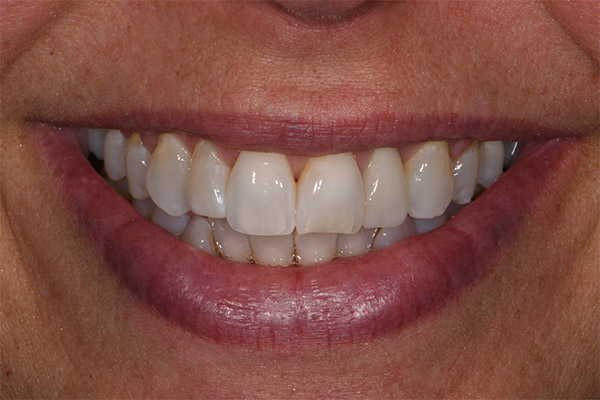
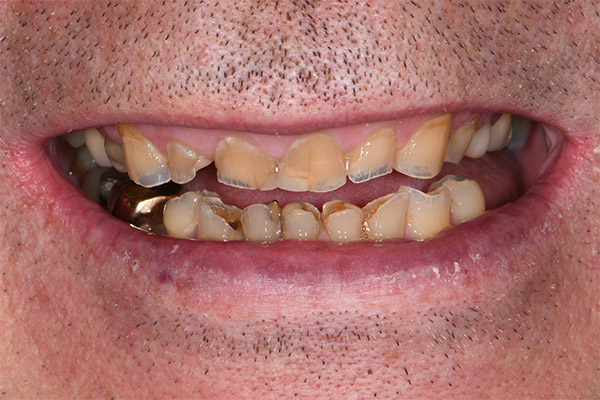
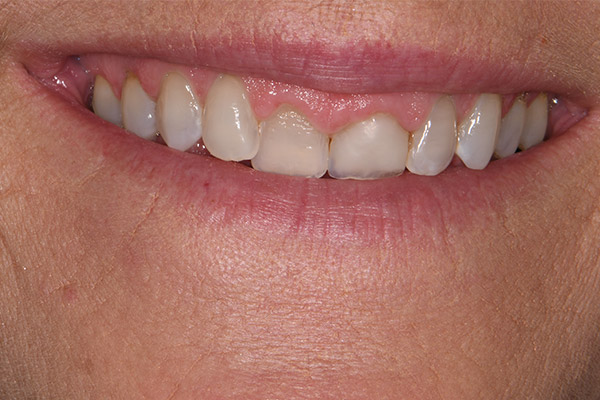
Before & After Gallery
See the Real-Life Transformations Our Team Creates
Actual patients from our Glencoe practice. Unretouched photos. Results vary by patient.


Flexible Dental Financing & Payment Options
Solutions Designed to Help Make Treatment More Manageable
At Forever Smiles, we require payment at the time of service via cash, check, debit, or credit card. For patients who prefer to explore payment plans, we offer access to third-party financing options such as CareCredit®, Proceed Finance, and Cherry Finance. Some plans may offer promotional financing, including 0% options for those who qualify. Approval and terms are determined by each financing provider.
As a service to our patients, we also handle dental insurance claims on your behalf. Our team works closely with you to help maximize your benefits and ensure claims are submitted accurately and in a timely manner.
Whether it’s your first visit or you’re planning more comprehensive treatment, we’re here to help you understand your options and feel confident in your care. Our goal is to make the entire process as simple, transparent, and stress-free as possible.
Not sure where to start or what your insurance covers?



MJ Disorders at Forever Smiles – Find Your Location
Forever Smiles operates three dental office locations across Minnesota, each offering the same quality of care.


Book Your Dental Appointment Today
If you’ve been putting off dental care or are ready to take the next step, our team is here to make it easy and comfortable from day one.